
transparent reflective glass
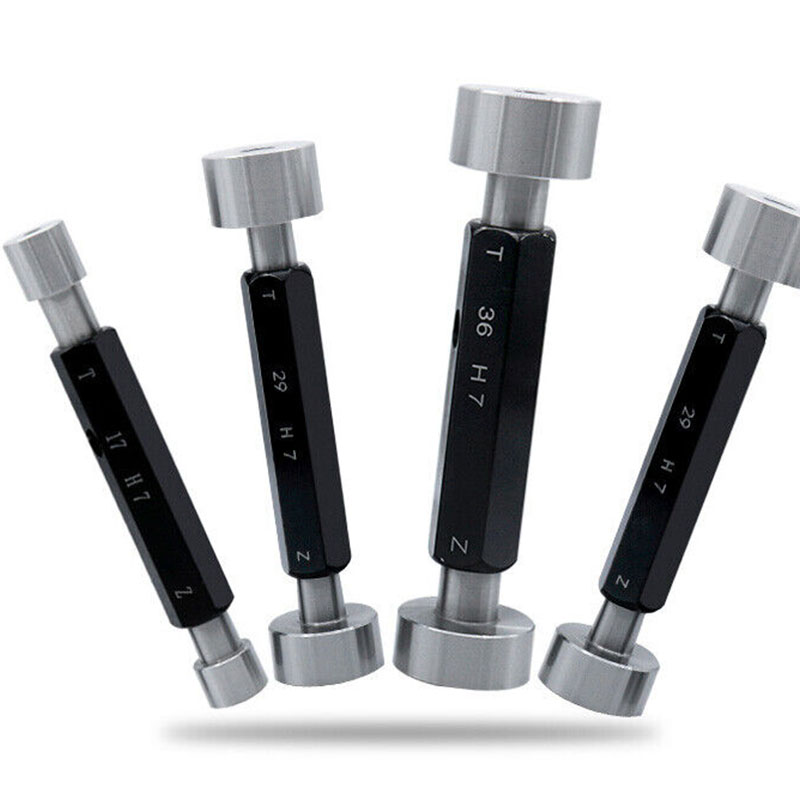
Understanding Gauge Pin Classes A Comprehensive Overview Gauge pins play an essential role in the field of manufacturing and quality control. They are precision tools used to check the size, form, and location of holes in a workpiece. The accuracy of these measurements is critical in ensuring that components fit together correctly in assembly processes. One important aspect of gauge pins is their classification, which is often referred to as gauge pin class. In this article, we will explore the various classes of gauge pins, their applications, and the significance of their precise dimensions in industrial processes. What are Gauge Pins? Gauge pins are cylindrical rods made of high-quality steel or carbide, designed to fit smoothly into predetermined holes. Their primary function is to serve as a go/no-go gauge, providing a quick and reliable method for measuring the specifications of holes. By inserting a gauge pin into a hole, operators can immediately determine whether the hole meets the specified tolerances. If the pin fits perfectly, the hole is considered to be within specification (go). Conversely, if the pin does not fit, it indicates an out-of-tolerance condition (no-go). Classification of Gauge Pins Gauge pins are classified into different classes based on their manufacturing tolerances and intended applications. The classification typically includes 1. Go Pins These pins are designed to fit into the hole. They represent the maximum material condition of the hole, meaning it is the largest size that is acceptable. If a go pin fits, the hole is within acceptable tolerances. 2. No-Go Pins These pins are intended to not fit into the hole. They represent the minimum material condition. If a no-go pin fits, the hole is deemed too large and out of tolerance. 3. Intermediate Pins These pins have dimensions between the go and no-go pins. They can be used for finer tolerances and more strict measurements when required. Tolerance and Precision in Gauge Pin Classes The accuracy of gauge pins is defined by their tolerance classes, often specified according to the ISO or ANSI standards. These standards outline the acceptable limits of deviation for each class of gauge pin. For example gauge pin class - Class 0 This class represents the highest tolerance, suitable for applications where precision is critical. It allows for minimal deviation and is often used in aerospace and automotive industries where safety is paramount. - Class 1 This class offers a slightly broader tolerance than Class 0 but is still suitable for precision engineering applications. - Class 2 and Class 3 These classes are used for less critical applications where some degree of deviation can be tolerated. They are commonly used in general manufacturing processes. Applications of Gauge Pin Classes The precise measurement capability of gauge pins makes them invaluable in a variety of industries, such as - Automotive Ensuring that the components fit together correctly, which is essential for safety and performance. - Aerospace High-stakes environments demand impeccable dimensions; gauge pins are critical in ensuring that components meet strict safety regulations. - Manufacturing Used in the inspection of machined parts to guarantee they meet specific tolerances. - Medical Equipment Precision is vital in the manufacturing of medical devices; gauge pins help in maintaining stringent quality control. Conclusion Understanding the different classes of gauge pins is crucial for professionals in manufacturing, quality control, and engineering. Each class serves a unique purpose, catering to various levels of precision and application requirements. The importance of using the correct gauge pin cannot be overstated, as it directly impacts the quality and reliability of the final product. Proper selection and application of gauge pins contribute to efficiency in production processes and, ultimately, customer satisfaction. Whether in the automotive sector, aerospace, or general manufacturing, gauge pins remain a cornerstone of quality assurance.
about
transparent reflective glass
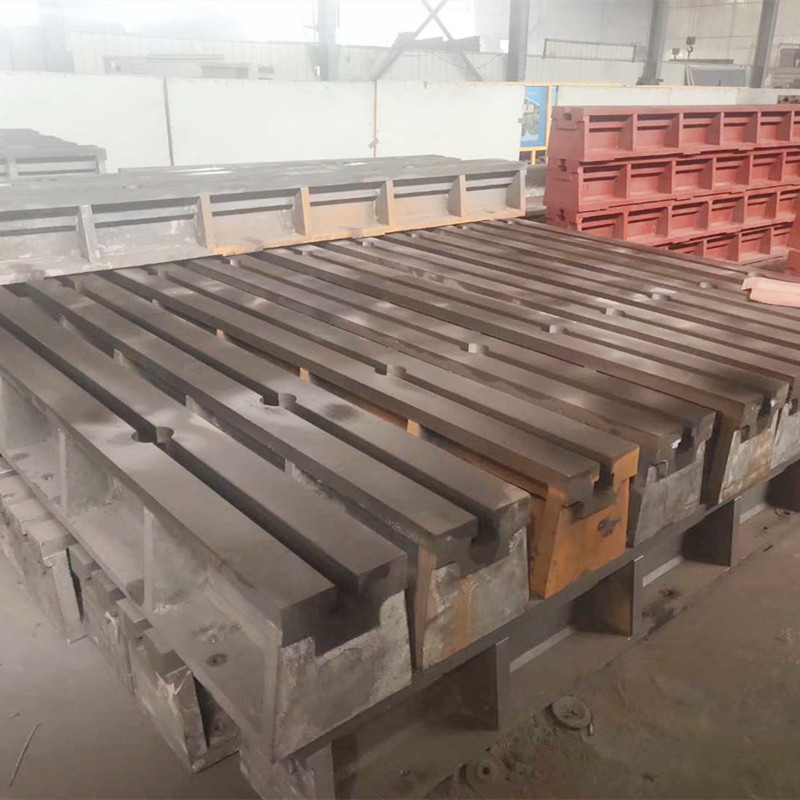
The Importance of Metal Table Fabrication in Modern Industries Metal table fabrication has become increasingly vital in various sectors, from construction to manufacturing. The process involves cutting, shaping, and assembling metal components to create functional and aesthetically pleasing tables. This article explores the significance of metal table fabrication, detailing its benefits, techniques, and applications. The Significance of Metal Tables Metal tables are favored for their durability, strength, and versatility. Unlike tables made from wood or plastic, metal tables can withstand heavy loads and harsh environments. This property makes them ideal for industries such as manufacturing and hospitality, where tables must endure daily wear and tear. Moreover, metal tables are resistant to corrosion, making them suitable for outdoor use or in moist environments. Benefits of Metal Table Fabrication 1. Customization One of the primary advantages of metal table fabrication is the ability to customize designs according to specific needs. Manufacturers can create tables in various sizes, shapes, and finishes to suit the particular requirements of the project. For instance, an architectural firm might need a sleek, modern table for a corporate office, while a restaurant may require robust tables that can accommodate large groups. 2. Strength and Durability Metal fabricated tables have a longer lifespan compared to their wooden counterparts. They can endure harsh conditions and are less susceptible to cracking, warping, or pest infestations. This durability reduces the need for frequent replacements, leading to cost savings in the long run. 3. Aesthetic Appeal Modern metal table fabrication techniques allow for intricate designs and finishes. Tables can be polished, painted, or coated in various colors, making them suitable for diverse design aesthetics . Their industrial look is often embraced in contemporary interiors, adding a touch of sophistication. 4. Eco-Friendly Options With growing environmental concerns, many manufacturers are focusing on sustainable practices. Metal is recyclable, and the fabrication process can utilize recycled materials. This approach not only reduces waste but also appeals to eco-conscious consumers. metal table fabrication Techniques of Metal Table Fabrication The fabrication process can involve several techniques, including - Cutting Precision cutting techniques, such as laser cutting or water jet cutting, ensure that metal components are shaped accurately with minimal waste. - Bending Metal sheets can be bent using press brakes or roll formers to achieve the desired angles and curvature for the table design. - Welding This technique joins different metal parts together, creating a strong and durable structure. Different welding methods, such as MIG or TIG welding, can be employed depending on the materials and design complexities. - Finishing After fabrication, tables undergo various finishing processes, such as powder coating or plating, to enhance their appearance and protect against corrosion. Applications of Metal Tables The applications of metal tables are vast. In the industrial sector, heavy-duty tables are crucial for workstations, assembly lines, and storage areas. In commercial settings, cafes and restaurants often opt for metal tables for their resilience and ease of maintenance. Additionally, metal tables are increasingly being incorporated into residential spaces, particularly in home offices and dining areas, providing a modern, sleek aesthetic. Conclusion In summary, metal table fabrication plays a crucial role in meeting the demands of various industries. With benefits ranging from customization and durability to aesthetic appeal and eco-friendliness, metal tables have become a preferred choice in many settings. As technology advances, the techniques and applications of metal table fabrication will continue to evolve, further solidifying its importance in modern manufacturing and design. Whether for industrial use or stylish home decor, the impact of metal table fabrication is undeniable and will continue to shape the future of furniture manufacturing.
-

High quality industrial productsagement

High quality industrial products
View Details -

Meet the diverse needs of customers

Meet the diverse needs of customers
View Details -

Strict quality control

Strict quality control
View Details -

Top raw materials

Top raw materials
View Details -

Trusted supplier

Trusted supplier
View Details
Our application
news and information
Y filtre en fonte
Le Strainer Y en Fonte Un Équipement Indispensable pour l’Industrie Dans le domaine de l’industrie,
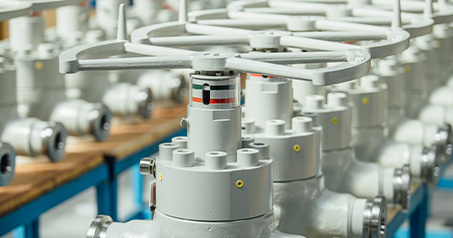
Valve Types & Applications
The valve industry is a cornerstone of modern infrastructure, serving critical roles in plumbing, oi
v block v block
Understanding V Block A Fundamental Tool in Manufacturing and Engineering In the world of manufactur
 English